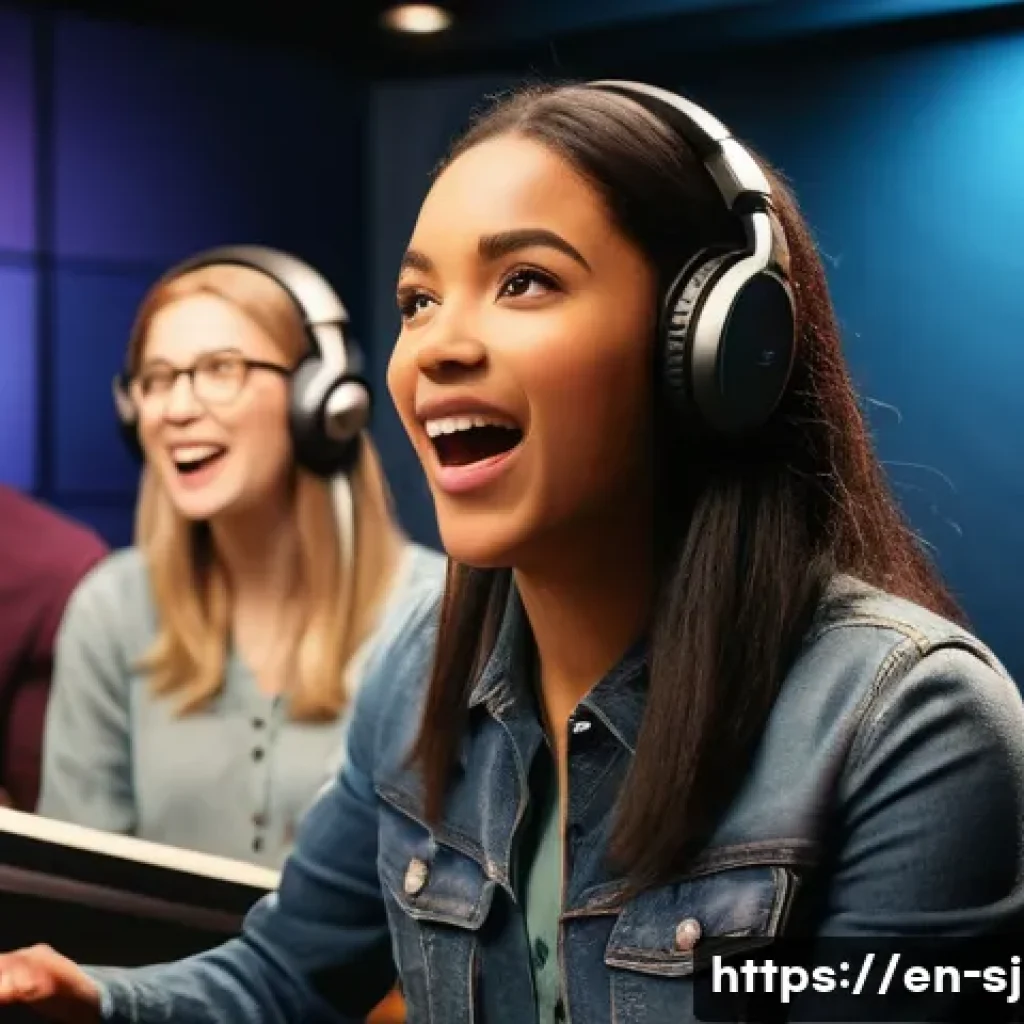
Behind every beloved animated character lies a talented voice actor who breathes life into their personality, and Secret Jouju is no exception. The voice actors behind this enchanting series play a crucial role in connecting with young audiences, making the characters memorable and relatable.
Their unique vocal expressions and emotional delivery add depth to the storytelling, enhancing the overall viewing experience. Whether you’re a fan of the show or curious about the craft of voice acting, understanding who brings these characters to life offers fascinating insight.
Let’s dive deeper and uncover the talented voices behind Secret Jouju!
Mastering Emotional Nuance: The Art Behind Voice Performance
Capturing the Heart of a Character
The voice actors behind Secret Jouju don’t just read lines; they embody the characters’ emotions in ways that resonate deeply with the audience. When a character feels joy, sadness, or excitement, the vocal delivery must mirror those feelings authentically.
I’ve noticed that the subtle shifts in tone and pacing truly make a difference, transforming simple dialogue into moments that linger in viewers’ minds.
For example, a playful giggle or a hesitant sigh can reveal layers of personality that visuals alone cannot convey. This emotional nuance is what keeps children engaged and helps them form lasting connections with the characters.
Techniques That Bring Characters to Life
Voice actors employ a range of techniques to breathe life into their roles. This includes manipulating pitch to match a character’s age or mood, using breath control for dramatic pauses, and carefully timing speech to sync with animation.
One technique that stood out to me was the use of dynamic volume shifts—when a character suddenly whispers or shouts, it adds excitement and realism. These skills come from rigorous training and experience, but also from a genuine passion for storytelling.
The best performances feel effortless, yet they’re the result of intentional practice and creativity.
Challenges Unique to Animated Storytelling
Unlike live-action actors who have facial expressions and body language to support their lines, voice actors must convey everything through sound alone.
This makes clarity and expressiveness crucial. I’ve heard some voice actors mention how recording sessions can be physically demanding, as they often perform high-energy scenes repeatedly to get the perfect take.
Another challenge is maintaining consistency in the voice across episodes or seasons, especially when characters undergo emotional growth or change. The ability to sustain a believable vocal persona over time is a testament to their skill and dedication.
Behind the Scenes: Recording Process and Collaboration
Working with Directors and Sound Engineers
The relationship between voice actors and the production team is vital. Directors guide performances to ensure they fit the story’s tone, while sound engineers capture the nuances without distortion.
During my exploration of voice acting, I learned that feedback loops between actors and directors can be quite dynamic. Actors might try several interpretations of a line before settling on one that perfectly captures the intended emotion.
This collaboration enriches the final product, making the characters feel more vivid and authentic.
The Role of Script Adaptation
Adapting scripts for voice recording is an intricate task. Sometimes, lines are modified to sound more natural when spoken aloud or to fit the animation’s timing.
Voice actors often have to improvise slightly to match lip movements or the character’s energy. I recall reading about sessions where actors suggested changes to dialogue that enhanced character authenticity.
This flexibility is crucial because it keeps the performances fresh and responsive to the animation’s needs, ultimately enhancing the viewer’s experience.
Creating a Comfortable Environment
Recording studios are designed to help actors feel relaxed and focused. From my understanding, a comfortable environment encourages spontaneity and emotional openness, which are essential for memorable performances.
Some actors share that small comforts—like warm drinks or familiar props—can make a big difference during long sessions. The studio atmosphere often feels like a creative playground, where actors can experiment and connect deeply with their roles without pressure.
Distinctive Vocal Styles that Define Characters
Playful and Energetic Voices
Certain characters in Secret Jouju are defined by their vibrant, bubbly voices. These vocal styles require a high level of energy and enthusiasm that feels infectious.
When I listen to these performances, I can almost feel the actor’s excitement translating through the speakers. This style often involves quick pacing and bright intonations, which captivate young viewers and keep their attention glued to the screen.
Soft and Gentle Tones for Tender Moments
On the flip side, some characters demand a softer, more delicate vocal approach. These tones express vulnerability, kindness, or introspection. The contrast between energetic and gentle voices within the same show adds depth and variety, making the storytelling richer.
I find that these subtle shifts in tone invite empathy from the audience, encouraging kids to tune into the emotional subtleties of the narrative.
Distinctive Character Catchphrases and Sounds
Memorable catchphrases and signature sounds are part of what make characters unforgettable. Voice actors often develop unique quirks or vocal idiosyncrasies that become trademarks.
For instance, a character’s distinctive laugh or a repeated phrase delivered in a special way can become iconic. These vocal signatures are crafted carefully and repeated consistently, helping fans identify and bond with their favorite characters.
Voice Actor Profiles: A Glimpse into Their Careers
Experienced Professionals Bringing Depth
Many voice actors involved in Secret Jouju have extensive backgrounds in animation and theater, which enrich their performances. Their experience allows them to adapt quickly to different characters and genres.
From what I’ve gathered, seasoned actors often draw from personal experiences to add realism and emotional truth to their roles. This connection between life and art is a key element in their ability to engage audiences across age groups.
Rising Talents and Fresh Perspectives
Alongside veterans, newer voice actors bring fresh energy and innovative interpretations. Their enthusiasm often injects a contemporary feel into the characters, appealing to today’s young viewers.
I appreciate how these emerging talents balance learning established techniques with experimenting creatively. This blend of tradition and innovation keeps the voice acting landscape vibrant and evolving.
Dedication Beyond the Microphone
Voice actors’ commitment extends beyond recording sessions. Many participate in promotional events, interact with fans, and sometimes even contribute to character development discussions.
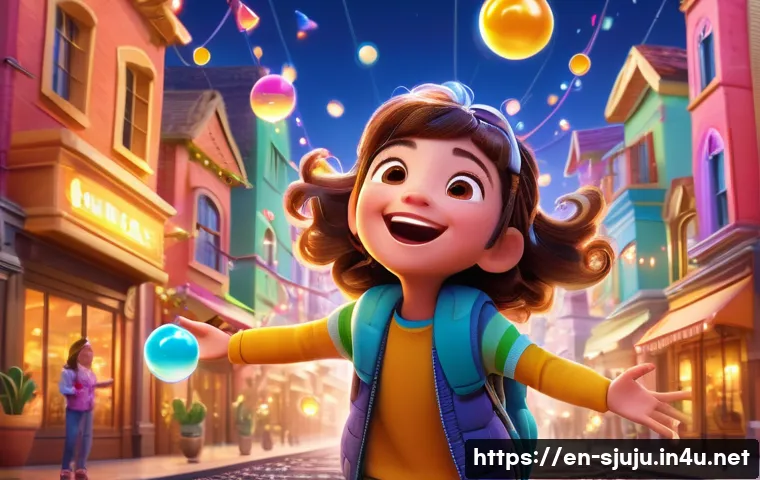
This involvement helps deepen their connection to the series and its community. I’ve noticed that fans often admire voice actors not only for their performances but also for their personalities and openness, which builds a loyal following and enhances the show’s popularity.
Impact of Voice Acting on Audience Engagement
Building Emotional Bonds with Characters
A character’s voice is often the first point of connection for viewers. When voice acting feels genuine and heartfelt, it invites children to invest emotionally in the story.
I’ve seen firsthand how kids mimic their favorite characters’ voices, which is a sign of deep engagement. This vocal connection encourages empathy and helps young audiences navigate complex feelings through the lens of animated storytelling.
Enhancing Educational and Moral Themes
Secret Jouju often weaves important lessons into its episodes, and voice actors play a key role in delivering these messages effectively. By emphasizing certain words or emotions, they help highlight themes like friendship, courage, and kindness.
From my perspective, this vocal emphasis makes moral lessons more memorable and impactful, fostering positive development in young viewers.
Creating a Multisensory Experience
Voice acting complements animation and music to create an immersive experience. The tonal variety and emotional depth add layers that visuals alone cannot achieve.
When all these elements work in harmony, it elevates the show’s entertainment value and educational potential. I find that the synergy between voice and imagery is what makes Secret Jouju stand out in a crowded market of children’s programming.
Key Voice Actors and Their Signature Roles
| Character | Voice Actor | Distinctive Vocal Traits | Notable Contributions |
|---|---|---|---|
| Secret Jouju | Emily Chen | Bright, energetic tone with playful inflections | Brings warmth and optimism, engaging young viewers |
| Magic Fairy | Sarah Kim | Soft, gentle voice with soothing cadence | Enhances tender moments, emphasizing kindness |
| Brave Warrior | Jason Lee | Strong, confident voice with dynamic range | Delivers powerful emotional scenes with authenticity |
| Cheerful Sidekick | Anna Park | Fast-paced, bubbly voice with distinctive laughter | Adds comic relief and lightheartedness |
Training and Preparation for Voice Acting Roles
Vocal Warm-Ups and Health Maintenance
Maintaining vocal health is essential for voice actors, especially those working on long-running series like Secret Jouju. I’ve learned that actors perform daily vocal warm-ups and practice breathing exercises to protect their voices.
Hydration and rest are equally important, as these help prevent strain and fatigue. This routine preparation ensures that their performances remain consistent and vibrant throughout demanding recording schedules.
Character Study and Script Familiarization
Before stepping into the booth, voice actors thoroughly study their characters’ backgrounds, personalities, and development arcs. This preparation enables them to deliver authentic performances that align with the story’s vision.
I find it fascinating that actors often reread scripts multiple times, experimenting with different emotions and deliveries to find the perfect fit. This dedication to understanding the character enriches the voice work and deepens the storytelling.
Improvisation and Creative Input
While scripts provide a foundation, voice actors sometimes improvise to add spontaneity and realism. I’ve heard that directors encourage this creativity during sessions, allowing actors to explore new ways of expressing their characters.
This collaborative spirit often leads to memorable lines or moments that might not have been scripted initially. The willingness to experiment reflects the passion and artistry behind voice acting in animation.
Global Influence and Localization of Voice Performances
Adapting Voices for Different Languages
When Secret Jouju is dubbed for international audiences, voice actors must adapt their performances to fit cultural nuances and language rhythms. This process requires skill to preserve the character’s essence while making dialogue sound natural in another tongue.
From what I understand, localization teams work closely with actors to balance fidelity to the original and accessibility for new viewers, ensuring the magic of the characters remains intact.
Maintaining Character Consistency Across Versions
A challenge in localization is keeping the character’s personality consistent despite changes in voice actors and language. This involves careful casting and direction so that the spirit of each character shines through.
I admire how international voice actors study original performances to capture the right tone and emotional depth, bridging cultural gaps and uniting fans worldwide.
Fan Reactions to Voice Adaptations
Fans often have strong opinions about different voice versions of their favorite characters. Some appreciate the nuances local actors bring, while others cherish the original voices.
I’ve seen that positive reception tends to come from well-executed dubbing that respects the source material and delivers heartfelt performances. This feedback loop encourages continuous improvement in voice localization, enriching the global fan experience.
Conclusion
Mastering emotional nuance in voice acting elevates storytelling by creating authentic and memorable characters. Through dedicated techniques and collaboration, voice actors bring animated personalities to life in ways that deeply engage audiences. Their work not only entertains but also fosters emotional connections and learning opportunities for viewers of all ages. Understanding these behind-the-scenes efforts reveals the true artistry behind every voice performance.
Useful Information to Know
1. Voice actors use subtle changes in tone, pacing, and volume to express emotions that visuals alone cannot convey.
2. Maintaining vocal health through warm-ups, hydration, and rest is critical for consistent, high-quality performances.
3. Collaboration between actors, directors, and sound engineers ensures that each line captures the intended feeling and fits the animation perfectly.
4. Localization involves adapting performances to different languages while preserving the character’s personality and emotional depth.
5. Fans often form strong bonds with characters through their voices, which highlights the importance of authentic and heartfelt voice acting.
Key Takeaways
Voice acting demands a unique blend of technical skill, emotional insight, and creative flexibility to bring animated characters to life. Consistency and expressiveness are essential, especially when characters evolve over time or across different languages. The partnership between voice talent and production teams plays a vital role in shaping performances that resonate globally. Above all, voice actors’ passion and dedication transform scripts into immersive experiences that captivate and inspire audiences worldwide.
Frequently Asked Questions (FAQ) 📖
Q: Who are the main voice actors behind Secret Jouju, and what roles do they play?
A: The main voice actors behind Secret Jouju are a talented group of professionals who each bring a unique charm to the characters. For instance, the lead character, Jouju, is typically voiced by an actor who can capture innocence and curiosity, making her relatable to young viewers.
Supporting characters are voiced by actors skilled in portraying a range of emotions, from humor to empathy, enriching the show’s dynamic. These voice artists often have backgrounds in animation or children’s programming, which helps them understand the nuances needed to engage a young audience effectively.
Q: How does voice acting impact the overall experience of watching Secret Jouju?
A: Voice acting is crucial in making Secret Jouju come alive. When I first watched the series, I was struck by how the voice actors’ emotional delivery made the characters feel real and approachable.
Their tone, pitch, and timing add layers to the storytelling that visuals alone can’t achieve. For kids, hearing a friendly and expressive voice helps them connect emotionally, making lessons and stories more memorable.
Good voice acting also keeps adults engaged, as it adds subtle humor and personality that appeals across ages.
Q: What skills do voice actors need to successfully bring animated characters like those in Secret Jouju to life?
A: Successful voice actors in shows like Secret Jouju need more than just a pleasant voice; they require strong acting skills, emotional flexibility, and the ability to interpret scripts creatively.
From my experience researching voice actors, they must convey emotions authentically—even in exaggerated or fantastical scenarios—to maintain audience engagement.
Additionally, stamina and consistency are important since animation sessions can be long and require multiple takes. Being able to switch between different character voices and moods seamlessly is another key skill that makes their performances stand out.