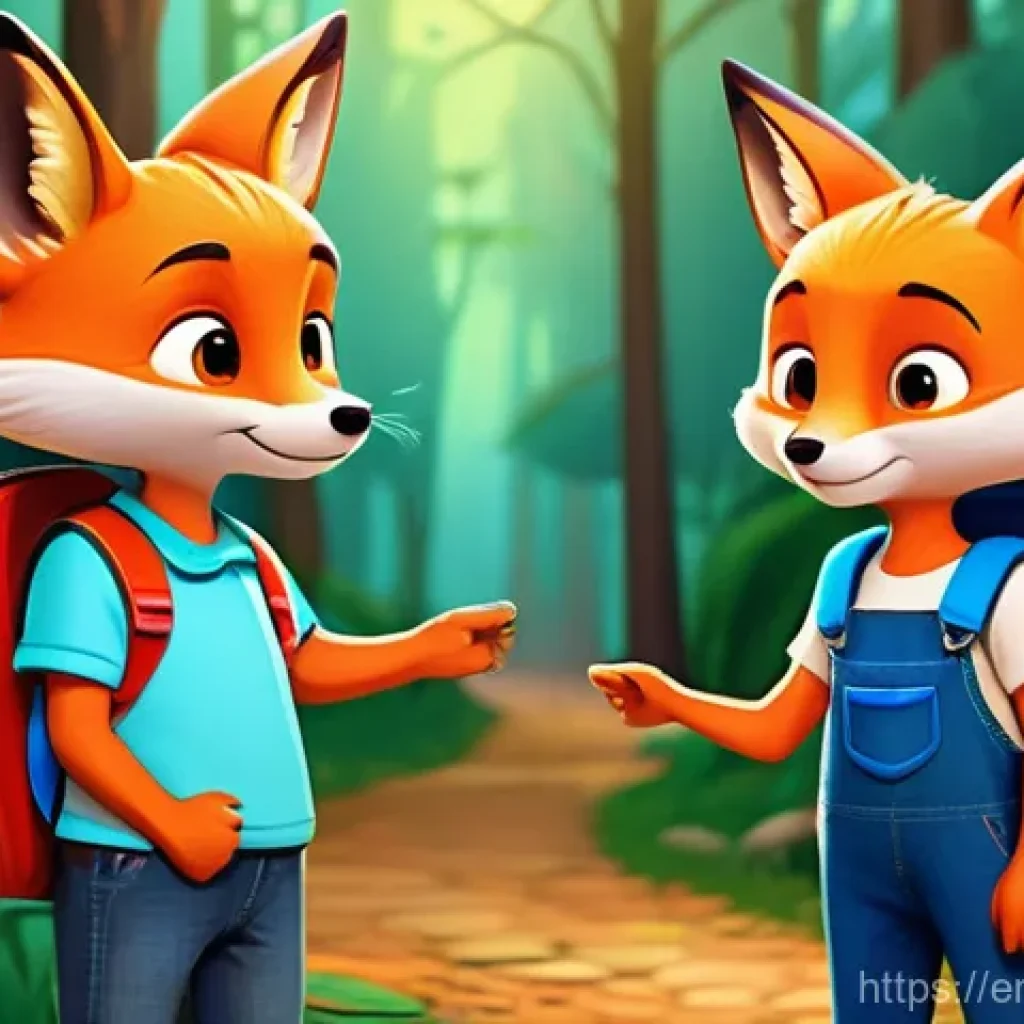
In the vibrant world of children’s entertainment, captivating storytelling is the magic that draws young audiences in and keeps them enthralled. We’ve all seen shows that just *get* it – the ones that spark imagination, teach valuable lessons, and leave a lasting impression.
What’s their secret sauce? It’s more than just flashy visuals or catchy tunes; it’s a deep understanding of narrative principles that resonate with kids on an emotional level.
I’ve spent countless hours diving into how successful animated series build these connections, and let me tell you, it’s truly fascinating. From crafting relatable characters who navigate challenges they can understand to building engaging plots with clear beginnings, middles, and satisfying resolutions, there’s a delicate art to it.
These stories often introduce familiar elements and positive role models, helping children identify with protagonists and learn crucial life skills like empathy and problem-solving.
Plus, the use of expressive voices and body language, along with interactive elements, can make story time an immersive and unforgettable adventure. The way these narratives skillfully blend entertainment with subtle educational components is a testament to the power of well-crafted media in child development.
Curious to uncover the techniques that make these stories so powerful and how they can even shape emotional intelligence in young minds? Let’s delve deeper into this below.
Crafting Relatable Characters: The Heart of Every Great Story
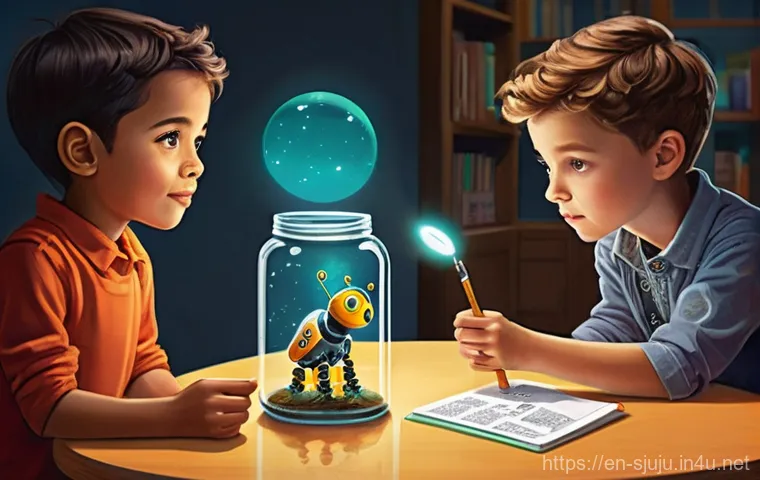
You know, there’s this undeniable magic when a child truly connects with a character. I’ve seen it firsthand, watching my niece talk to the TV screen, advising her favorite animated hero, or mimicking their quirky mannerisms. It’s more than just watching; it’s an immersive experience, a friendship forged in the imaginative world of storytelling. From my perspective, this connection is the absolute bedrock of a captivating children’s show. When characters feel real, when they have struggles and joys that mirror a child’s own, even if presented in fantastical settings, that’s when the story truly comes alive. I remember once thinking how complex some adult characters are, and then realizing that for kids, the complexity comes from authenticity – characters who are allowed to make mistakes, feel big emotions, and grow. It’s this emotional resonance, this feeling of “they get me,” that makes a character unforgettable and keeps young viewers coming back for more. It really goes to show that even in a world of talking animals and magical powers, human-like traits are what truly matter.
Giving Characters Authentic Voices
One thing I’ve consistently observed about truly successful children’s shows is how authentically their characters speak and behave. It’s not just about what they say, but *how* they say it, and how their actions reflect their age and personality. Think about those characters who perfectly capture the innocence, curiosity, or even the occasional tantrum of a child. When a character’s voice, both literally and metaphorically, feels true to who they are and who their audience is, it creates an immediate bond. It’s like finding a friend who truly understands you, and for a child, that’s an incredibly powerful feeling. This isn’t about being overly simplistic; it’s about being genuine. I’ve often felt that the best characters are those that kids can imagine themselves playing with, because their reactions and expressions just feel so right.
The Magic of Flaws and Growth
Let’s be real, nobody’s perfect, and that includes our animated heroes! In my opinion, some of the most enduring children’s characters are those who aren’t flawless from the get-go. Instead, they stumble, they make mistakes, and most importantly, they learn and grow. It’s a powerful lesson for kids to see that it’s okay to not always get it right, as long as you try again or seek help. I’ve personally found that stories where a character overcomes a personal failing or learns a new skill because of a past mistake are infinitely more engaging and educational. It teaches resilience and the value of effort, rather than presenting an unattainable ideal. This journey of growth makes characters so much more relatable and their triumphs feel truly earned, which is something I deeply appreciate as both a viewer and someone interested in child development.
The Power of Plot: Building Worlds Kids Can Dive Into
When I think about the shows that truly gripped me as a kid, or the ones my nephews are obsessed with now, it’s always because of the story. The plot isn’t just a sequence of events; it’s the thrilling rollercoaster ride that takes young minds on an adventure. I’ve spent countless Saturday mornings watching kids glued to the screen, gasping at cliffhangers and cheering for breakthroughs, and it’s always the structure of the narrative that keeps them hooked. A well-crafted plot in children’s entertainment isn’t necessarily complex, but it needs to be clear, engaging, and have a strong sense of purpose. It’s about building a world, whether fantastical or familiar, that children can mentally inhabit and where the stakes, however small, feel incredibly real to them. This immersive quality, I believe, is what transforms passive viewing into an active experience, sparking imagination long after the credits roll.
The Clear Beginning, Middle, and End
One of the foundational elements that I’ve noticed in successful children’s narratives is the crystal-clear structure of a beginning, a middle, and a satisfying end. Kids thrive on predictability in certain ways, especially when it comes to understanding a story’s arc. They need to know who the characters are, what problem they’re facing, how they try to solve it (often with hilarious or challenging setbacks!), and finally, how everything resolves. This structure provides a sense of security and comprehension, making the story easier to follow and digest. I recall countless times my younger cousins would ask, “What’s going to happen next?” and their relief and understanding when the story reached a logical conclusion. It really helps them grasp the cause-and-effect relationships within the narrative.
Introducing Age-Appropriate Conflicts
It’s a fine line, isn’t it? How do you create compelling conflict without scaring younger viewers or making things too complicated? From what I’ve seen, the best shows introduce conflicts that are relatable to a child’s world, but scaled for their understanding. Maybe it’s a lost toy, a friendship squabble, or a challenge that requires teamwork to overcome. These aren’t life-or-death scenarios in the adult sense, but to a child, a missing teddy bear can feel like the end of the world! I’ve always appreciated how creators skillfully weave these smaller, manageable conflicts into the plot, allowing characters to face obstacles and develop problem-solving skills without overwhelming the audience. It teaches them about adversity and perseverance in a gentle, accessible way.
Beyond Entertainment: Teaching Life Lessons Through Narrative
Honestly, when I think back to my own childhood, some of the most profound lessons I learned weren’t from textbooks, but from the cartoons and stories I consumed. It’s incredible how animated series, often disguised as pure entertainment, can be powerful vehicles for teaching fundamental life skills and values. I’ve watched children learn about sharing, kindness, perseverance, and even dealing with disappointment, all through the engaging adventures of their favorite characters. It’s a subtle yet incredibly effective form of education. These aren’t heavy-handed lectures; instead, the lessons are woven organically into the fabric of the story, making them memorable and easily absorbed. I deeply believe that this aspect is one of the most valuable contributions children’s media makes to development, shaping not just what kids know, but who they become.
Empathy and Social Skills in Action
One of the most beautiful things I’ve witnessed through children’s storytelling is its ability to cultivate empathy. When kids see characters navigate complex social situations, apologize for mistakes, or offer help to a friend in need, it provides a blueprint for their own interactions. I’ve often heard children mimicking the compassionate phrases or problem-solving techniques they learned from a show, applying them directly to their own play or disagreements. These stories offer a safe space to explore different perspectives and understand that others have feelings too. It’s not just about being nice; it’s about understanding *why* being nice matters, and that’s a lesson that sticks with them, shaping their social intelligence from a young age.
Problem-Solving Made Fun
Who knew problem-solving could be so entertaining? I’m consistently impressed by how many children’s narratives present challenges that require critical thinking, teamwork, or creative solutions. Whether it’s figuring out how to build a bridge, decode a puzzle, or unite a divided community, these plots actively engage a child’s mind. I remember watching a show where the characters had to use simple physics to escape a tricky situation, and my nephew immediately started experimenting with toys in a similar way! It’s not just about getting to the resolution; it’s about the process, the brainstorming, and the collaborative effort shown by the characters. This approach transforms potential struggles into exciting mental exercises, making learning feel like an adventure.
Understanding Consequences
It’s tough to explain complex ideas like consequences to a young child, but stories do it so well. I’ve seen countless examples where a character’s impulsive action leads to an understandable, albeit minor, negative outcome, and then they have to work to fix it. These narratives provide a safe, detached way for kids to grasp cause-and-effect without experiencing the direct repercussions themselves. For instance, a character might not share their toys, leading to their friends not wanting to play with them. The subsequent sadness and resolution teach a powerful lesson about sharing and its benefits. From my experience, these story-driven lessons resonate much more deeply than a simple lecture, as they are seen through the eyes of a character they care about.
Visual and Auditory Magic: Enhancing the Story Experience
While a strong narrative is the skeleton, it’s the visual and auditory elements that truly bring a children’s story to vibrant life, dressing it in captivating colors and sounds. I’ve always been amazed by how expertly crafted animation, expressive voice acting, and perfectly timed musical scores can elevate a simple tale into an unforgettable experience. It’s not just about making things look pretty or sound good; it’s about using every sensory input to deepen immersion, convey emotion, and clarify meaning for young viewers. I remember distinct moments from my own childhood, where a particular animation style or a character’s unique voice imprinted itself on my memory, forming an inseparable part of the story. It shows how truly collaborative the art of children’s entertainment is, with each element playing a crucial role in shaping the overall impact and helping the story resonate on multiple levels.
The Expressive Power of Animation
Think about how much a single facial expression or a grand gesture can convey without a single word. Animation, when done well, is a masterclass in non-verbal communication, especially crucial for a young audience. The way characters move, their exaggerated reactions, or the subtle shift in their posture can tell a whole story in itself. I’ve always been captivated by how animators can make even inanimate objects feel alive and full of personality. It’s a visual language that transcends age, allowing complex emotions or intricate plots to be understood instinctively. This visual storytelling not only keeps children engaged but also helps them develop their observational skills, learning to read cues beyond spoken words.
Voice Acting: Bringing Personalities to Life
Honestly, a great voice actor can turn an average character into an icon. The sheer talent required to convey a full spectrum of emotions, from pure joy to heartfelt sadness, solely through vocal performance is astounding. I’ve heard voices that instantly make a character lovable, mischievous, or wise, often defining their personality even more than their visual design. For kids, these distinct voices become synonymous with their favorite characters, building an intimate connection. I’ve often caught myself trying to imitate a character’s unique laugh or catchphrase, simply because the voice acting was so captivating. It adds another profound layer of realism and relatability, making these animated friends feel incredibly present and alive in a child’s imagination.
Music as a Storytelling Tool

Never underestimate the power of a good soundtrack! Music in children’s shows isn’t just background noise; it’s a vital storytelling tool that sets the mood, heightens suspense, or underscores a triumphant moment. A catchy theme song can become an anthem, instantly transporting kids into the show’s world, while carefully composed incidental music can guide their emotional responses. I’ve noticed how a sudden shift in music can signal danger, or a heartwarming melody can emphasize a moment of friendship. It’s like an unspoken narrator, enhancing every scene and making the emotional beats of the story land even harder. The way music can evoke feelings and memories is truly a testament to its integral role in making stories resonate deeply with young audiences. This sensory layering is something I deeply appreciate.
Fostering Emotional Intelligence: Stories as Life Guides
It’s truly incredible to witness how children’s stories aren’t just about fun and games; they’re often subtle masterclasses in emotional intelligence. From my perspective, the best narratives actively help young viewers understand, process, and express their feelings, equipping them with vital tools for navigating the real world. I’ve often seen my younger family members grappling with big emotions, and then later, reflecting on how a character in their favorite show dealt with something similar. This connection is powerful. It allows children to see a range of feelings normalized and demonstrated in a safe, understandable context. This kind of learning, woven into engaging tales, contributes significantly to their overall well-being and ability to form healthy relationships. It makes me feel genuinely hopeful about the impact quality children’s media can have on a developing mind.
Recognizing and Naming Feelings
One of the first steps in emotional intelligence is simply being able to recognize and name your feelings. And boy, do children’s stories excel at this! Characters often explicitly state how they feel – “I’m feeling frustrated,” “I’m so excited!” – or their emotions are vividly portrayed through their expressions and actions. This direct labeling provides a vocabulary for children, helping them identify what they themselves are experiencing. I remember a particular episode where a character learned to identify their anger, and then how to calmly express it, and it really stuck with me as a great example of teaching emotional literacy. This clear communication of feelings is a crucial foundation, helping kids articulate their internal world rather than just acting it out.
Coping Mechanisms Through Characters
Beyond just naming feelings, compelling stories often showcase healthy coping mechanisms. When a character feels sad, they might talk to a friend, or take a deep breath, or find a creative outlet. These examples provide young viewers with practical strategies for managing their own emotions. I’ve personally observed children adopting calming techniques they saw on a show, or seeking comfort from a trusted adult after seeing a character do the same. It’s a subtle form of guidance, demonstrating positive ways to navigate emotional challenges. This exposure to constructive coping strategies, through the adventures of beloved characters, is invaluable for their emotional development and resilience.
Building Resilience
Life isn’t always smooth sailing, and teaching children resilience – the ability to bounce back from setbacks – is a profound gift. Many children’s narratives, from what I’ve seen, feature characters who face obstacles, experience failure, but ultimately pick themselves up and try again. It’s not about achieving perfection, but about the effort and the learning process. I’ve found that these stories, where characters show determination even when things are tough, instill a powerful message: it’s okay to struggle, and it’s okay to not succeed immediately. This repeated exposure to perseverance and eventual triumph, often achieved through teamwork or creative thinking, subtly builds a child’s own capacity for resilience, teaching them to face their own little challenges with courage and hope.
Engaging the Young Mind: Interactive Storytelling Techniques
In today’s fast-paced world, simply telling a story isn’t always enough to capture the ever-shortening attention spans of young audiences. What truly stands out to me are the shows that go beyond passive viewing, actively inviting children to become part of the narrative. It’s a game-changer when storytelling becomes a two-way street, fostering engagement that feels personal and direct. I’ve noticed how these interactive elements don’t just hold attention; they also stimulate cognitive skills, encouraging children to think, predict, and participate. This approach, I believe, transforms screen time into a more enriching and developmentally beneficial experience. It moves beyond just watching a show to actually being involved in the adventure, making the story feel uniquely tailored to them, which is incredibly powerful.
Breaking the Fourth Wall
One of my favorite techniques, and one that consistently delights young viewers, is when characters directly address the audience, effectively “breaking the fourth wall.” It creates an immediate sense of intimacy and inclusion, making a child feel like a special confidante to the characters. Whether it’s a character asking for advice, explaining a concept directly, or even just sharing a knowing glance, it pulls the viewer right into the action. I’ve seen kids light up, responding aloud to the screen, feeling like their input genuinely matters. This direct interaction transforms the viewing experience from observation to participation, making the story feel like a shared secret between the character and the child, fostering a deeper connection and making the lessons stick.
Call and Response Moments
Interactive elements like call-and-response moments are fantastic for engaging young children and reinforcing learning. These are those specific instances where a character poses a question, asks for help, or prompts a physical action (like clapping or singing along), and the audience is encouraged to respond. I’ve watched countless times as children eagerly shout out answers, point to objects on screen, or dance along to a song. These moments aren’t just fun; they reinforce concepts, aid memory recall, and provide a sense of agency. It feels like they’re genuinely helping the characters, making the learning process collaborative and exciting, and from my experience, it dramatically increases their attentiveness and retention of the content.
Encouraging Imagination and Creative Play
The very best children’s stories don’t end when the credits roll; they spark a fire in a child’s imagination that continues into their play. I’ve seen how shows that encourage creative thinking or model imaginative scenarios inspire children to create their own stories, characters, and worlds. Whether it’s through open-ended questions posed by characters or narratives that feature characters engaging in imaginative play themselves, these shows provide a springboard for creativity. I personally love seeing kids re-enact scenes or invent new adventures for their favorite characters, using household items as props. This continuation of the story into real-life play is, in my opinion, one of the most profound indicators of truly effective and impactful storytelling, proving its lasting power.
To further illustrate the key components that elevate children’s storytelling, here’s a quick overview of elements that, from my experience, always make a difference:
| Storytelling Element | Why It Matters for Kids | My Observation/Experience |
|---|---|---|
| Relatable Characters | Provides emotional connection, models behavior. | Kids mimic heroes, talk to screens as if they’re friends. |
| Clear Plot & Structure | Ensures comprehension, builds anticipation, teaches cause/effect. | Excitement during suspense, satisfaction at resolutions. |
| Embedded Life Lessons | Teaches empathy, problem-solving, values subtly. | Children applying show lessons to real-life situations. |
| Engaging Visuals/Audio | Enhances immersion, conveys emotion non-verbally, sets mood. | Distinct character voices, memorable theme songs stick. |
| Interactive Elements | Fosters participation, reinforces learning, builds agency. | Kids shouting answers, dancing along, feeling included. |
Wrapping Up
As we wrap up our little chat today, I can’t help but feel a deep sense of appreciation for the magic that well-crafted children’s stories bring into our lives. From those quiet moments of shared laughter to the subtle lessons that stick with our little ones long after the screen goes dark, it’s clear that this isn’t just entertainment. It’s an art form, a crucial tool that helps shape the next generation’s hearts and minds. I genuinely hope this dive into what makes these narratives so special gives you a fresh perspective, whether you’re a parent, a creator, or simply someone who believes in the power of a good story. Let’s keep supporting content that truly enriches, inspires, and helps our kids grow into amazing individuals.
Good to Know Info
1. Relatability is King for Little Ones: Characters who genuinely feel like friends, complete with their own struggles and triumphs, are what truly resonate with children. It’s how they see themselves and the world reflected back, fostering a powerful emotional connection that can last a lifetime.
2. Clear Story Arcs Build Understanding: Stories with a straightforward beginning, middle, and end, even with fantastical elements, provide comfort and clarity for young viewers. This structure helps them grasp cause and effect, making the narrative engaging and easy to follow.
3. Conflict, When Handled Right, Teaches Resilience: Age-appropriate challenges and minor setbacks in a story are invaluable. They teach children about problem-solving, perseverance, and the importance of effort, demonstrating that it’s okay to stumble and try again.
4. Sensory Elements Enhance Immersion: Beyond the plot, the visual appeal of animation, the personality in voice acting, and the emotional resonance of music are critical. These elements create a rich, immersive world that captivates young minds and helps them connect on a deeper sensory level.
5. Interactive Content Boosts Engagement & Learning: Shows that actively invite participation, whether through direct address, call-and-response, or encouraging imaginative play, significantly increase engagement. This interactive approach transforms passive viewing into an active learning experience, sparking curiosity and cognitive skills.
Key Takeaways
At the end of the day, creating truly impactful children’s stories is about so much more than just captivating visuals or catchy tunes. It’s about a delicate dance between enchanting entertainment and purposeful education. My own experience has taught me that when we prioritize authentic characters, meaningful plots, and a thoughtful approach to emotional development, we’re not just telling stories; we’re building foundations. We’re giving children the tools to understand themselves, navigate their world, and dream bigger. It’s about fostering imagination and emotional intelligence, ensuring that every minute spent with these tales contributes positively to their growth.
Frequently Asked Questions (FAQ) 📖
Q: What’s the real magic behind the children’s shows that truly captivate kids, beyond just bright colors and catchy songs?
A: Oh, this is a question I absolutely love, because it gets right to the heart of what makes a story truly stick with a child! From what I’ve seen and personally analyzed across so many beloved animated series, it’s far more than just surface-level dazzle.
The real magic, in my humble opinion, lies in deeply understanding a child’s world and weaving narratives that reflect it, but with a touch of the extraordinary.
First off, it’s about relatable characters. Think about it: kids connect with protagonists who feel like them, or like friends they wish they had. Characters who grapple with simple, everyday problems – like sharing a toy, making a new friend, or overcoming a small fear – are gold.
When a character faces a challenge a child can understand, it makes the story feel personal and immediate. I’ve noticed that the most successful shows introduce positive role models, but not perfect ones; characters who make mistakes and learn from them, showing kids that it’s okay to not always get it right.
Then there’s the story structure. It’s often incredibly clear, with a definite beginning, middle, and a satisfying, often comforting, resolution. This predictability, paradoxically, gives young viewers a sense of security while still allowing for exciting adventures.
These stories often introduce familiar elements – a cozy home, a friendly neighborhood, a cherished pet – which grounds the fantastic elements in a recognizable reality.
And let’s not forget the power of expressive communication. The use of distinct, often exaggerated, voices and body language helps even the youngest viewers grasp emotions and intentions, making the narrative easy to follow and emotionally resonant.
When you blend all these elements with a sprinkle of wonder and a genuine understanding of what makes a child tick, you’ve got that undeniable “secret sauce.”
Q: How exactly do these well-crafted stories contribute to a child’s development, especially their emotional intelligence?
A: This is where storytelling truly shines and makes a profound impact, not just on entertainment but on growth. When I observe how children interact with truly great stories, I see a fascinating, almost alchemical process happening.
It’s not just about learning numbers or letters; it’s about building the very foundation of who they’ll become. Firstly, these narratives are incredible vehicles for empathy.
When a child watches a character experience joy, sadness, frustration, or fear, they’re essentially practicing empathy in a safe, low-stakes environment.
They learn to recognize these emotions in others and, crucially, understand that other people (or animated characters!) have feelings too. I’ve found that shows that clearly depict a character overcoming a setback, or comforting a friend, teach children how to navigate their own emotional landscapes.
It gives them a vocabulary for feelings they might not yet be able to articulate themselves. Beyond empathy, well-crafted stories foster problem-solving skills.
Often, the protagonist faces a dilemma, and the story unfolds as they try different solutions, sometimes failing, sometimes succeeding. This models a crucial life skill: persistence and critical thinking.
Kids subconsciously learn to think “What would I do?” or “How could they fix this?” as they watch. Plus, the exposure to diverse situations and characters, even in a fantastical setting, can broaden their understanding of the world and different perspectives, which is absolutely vital for developing a robust emotional intelligence.
It’s like a gentle, engaging masterclass in being human, delivered through fun and adventure!
Q: As parents or educators, how can we apply these storytelling “secrets” to engage kids more effectively in everyday life?
A: What a fantastic and practical question! The great news is, you absolutely can bring the magic of captivating storytelling into your daily interactions, and trust me, it’s incredibly rewarding.
I’ve personally experimented with this in various settings, and the results are often delightful. It’s all about becoming a bit of a storyteller yourself!
My number one tip? Embrace “narrative language” in your daily routines. Instead of just saying, “Time to clean up,” try, “Oh no, the toys are having a big party on the floor, and they’re waiting to be tucked into their beds in the toy box!
Can we be the super-helpers who guide them home?” See how that instantly creates a mini-story? This framing turns mundane tasks into small adventures.
I’ve noticed that kids respond so much better when there’s a narrative attached, even if it’s just a simple one. Secondly, focus on “character development” for your child.
Acknowledge their emotions, their triumphs, and their struggles. “I see you’re feeling really frustrated with that puzzle, just like [character from their favorite show] sometimes gets when things are tricky.
What do you think [character] would do next?” This validates their feelings and gives them a framework to process them, much like their favorite characters do.
You can also create simple, relatable “plots” for their day: “First, we’ll go on our breakfast adventure, then we’ll embark on a quest to the park!” By weaving these elements into your language and interactions, you’re not just communicating; you’re building a world of engagement and learning, one story at a time.
It truly makes a difference in fostering curiosity and connection.